





Ritzy Casa
Brazilian design, art and craftsmanship curated in Miami.
Brazilian Design, Art & Handcrafted Objects | Miami, FL
Ritzy Casa is a Miami-based Brazilian design and decorative arts company created to introduce the work of Brazilian and South American designers, artists and artisans to the U.S. market. Founded in Miami in 2016 by Brazilian curator Lia Noto, the company brings together contemporary objects shaped by craftsmanship, natural materials and distinctive approaches to design.
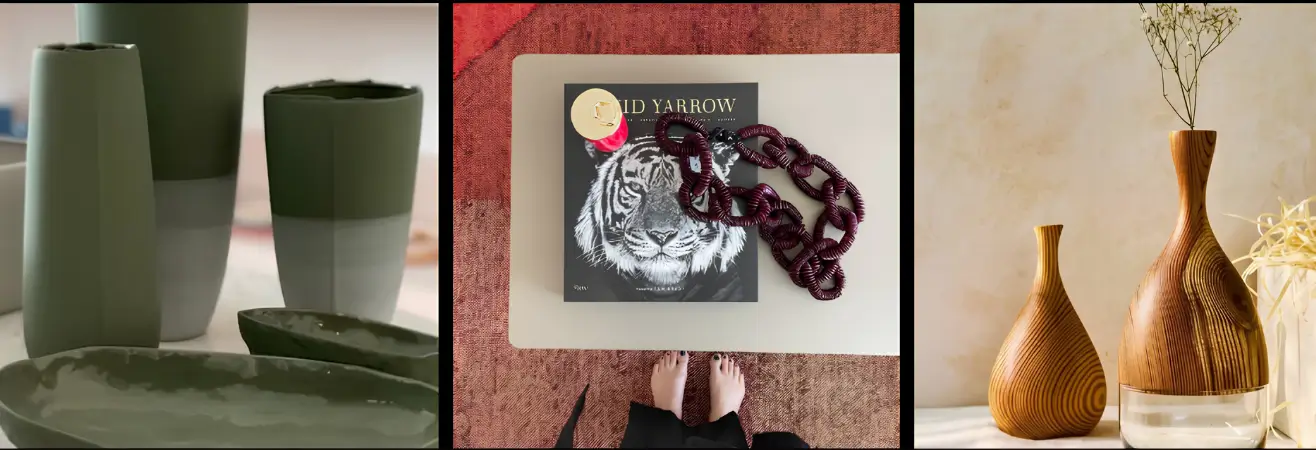
Its collections move across the boundaries of design, decorative art and traditional craft, presenting works in porcelain, soapstone, reclaimed wood, concrete, recycled paper and hand embroidery.
Rather than defining Brazilian design through a single style, Ritzy Casa introduces the work through the people who create it — and through the materials, techniques and ideas behind each object.
━━━━━━━━━━━━━━━━━━━━━━━━
🇧🇷 BRAZILIAN DESIGN FINDS A HOME IN MIAMI
━━━━━━━━━━━━━━━━━━━━━━━━
Ritzy Casa began with a clear international purpose.
When Lia Noto moved from Brazil to Miami in 2016, she created the company with the idea of bringing design accessories made by talented South American artists to the U.S. market.
For Lia, however, the project did not begin from zero.
Originally from São Paulo, she had already spent approximately three decades working in the home décor industry.
Her professional experience began in the home textile market, where she imported American brands into Brazil, and later included running a gift shop.
The move to Miami reversed that earlier direction.
Instead of bringing American products to Brazil, Ritzy Casa would help bring Brazilian and South American creative work to the United States.
That exchange became the foundation of the company.
━━━━━━━━━━━━━━━━━━━━━━━━
🎨 DESIGN, ART & CRAFT IN THE SAME COLLECTION
━━━━━━━━━━━━━━━━━━━━━━━━
Ritzy Casa does not draw a rigid line between design, art and craftsmanship.
Its portfolio brings those disciplines together.
A functional object can also be sculptural.
A material traditionally associated with construction can become a decorative piece.
Reclaimed wood can acquire a new purpose.
Porcelain can be allowed to move naturally rather than being forced into a perfectly controlled form.
Embroidery can leave the textile industry and become an independent work of art.
This relationship between material and creative interpretation is one of the strongest characteristics connecting the designers represented by Ritzy Casa.
The result is not a collection built around mass production or a single decorative trend.
It is a collection built around individual creative practices.
━━━━━━━━━━━━━━━━━━━━━━━━
🪨 SOAPSTONE — BETWEEN ARCHITECTURE & ART
━━━━━━━━━━━━━━━━━━━━━━━━
Among the Brazilian names represented by Ritzy Casa are siblings Suzana Bastos and Marcelo Alvarenga, creators of Alva Design.
Suzana is a designer and Marcelo an architect.
Their collaboration brings those two perspectives together, exploring objects through architectural thinking, artistic experimentation and expressive use of material.
One of the materials central to their work is soapstone.
Long associated with Brazilian architecture, sculpture and traditional objects, the stone takes on contemporary forms through their design practice.
The work demonstrates something important about the Ritzy Casa selection.
Brazilian identity does not need to be communicated through obvious national symbols.
Sometimes it is present in the material itself — and in the way Brazilian designers reinterpret it.
━━━━━━━━━━━━━━━━━━━━━━━━
🏺 PORCELAIN ALLOWED TO FIND ITS OWN FORM
━━━━━━━━━━━━━━━━━━━━━━━━
Brazilian designer Heloisa Galvão approaches material from another direction.
Her work with liquid porcelain explores the behavior of the material itself.
Rather than completely controlling its movement, she works with spontaneous forms and minimal interference, preserving the porcelain’s natural matte appearance while using transparent enamel selectively to create contrast.
Color is incorporated during preparation of the porcelain mass, producing variations that become part of the character of each piece.
The result places material experimentation at the center of the design.
Through Ritzy Casa, this work becomes part of the broader presentation of contemporary Brazilian design to audiences in the United States.
━━━━━━━━━━━━━━━━━━━━━━━━
🌳 RECLAIMED WOOD BECOMES CONTEMPORARY DESIGN
━━━━━━━━━━━━━━━━━━━━━━━━
Elizandro Rabelo, a Brazilian designer based in São Paulo, brings another material language to the Ritzy Casa portfolio.
His interest in furniture led him to learn carpentry and eventually create ODA, a brand centered on handcrafted objects for the home made from reclaimed wood.
The material already has a history before it reaches the designer.
Rather than discarding that history, the creative process gives the wood another function.
This relationship between craftsmanship, reuse and contemporary design adds another dimension to the collection represented in Miami.
It also demonstrates the range of Brazilian design itself.
Soapstone, porcelain and reclaimed wood can come from very different traditions and processes while still participating in the same contemporary creative landscape.
━━━━━━━━━━━━━━━━━━━━━━━━
🧱 CONCRETE BEYOND ARCHITECTURE
━━━━━━━━━━━━━━━━━━━━━━━━
With Traço Objects, even concrete is reconsidered.
The Brazilian studio combines a creative studio with a factory and researches the plastic possibilities of concrete when applied to objects and furniture.
Instead of treating concrete exclusively as a structural construction material, Traço explores different scales and everyday applications.
The brand, launched in 2016, describes this experimentation as a way of expanding the limits of Brazilian design.
Within Ritzy Casa’s portfolio, the work creates a direct dialogue between architecture, material research and objects made for everyday environments.
It is another example of how the collection moves beyond conventional definitions of home décor.
━━━━━━━━━━━━━━━━━━━━━━━━
📄 ART CREATED FROM RECYCLED PAPER
━━━━━━━━━━━━━━━━━━━━━━━━
Brazilian visual artist Miriam Rigout introduces yet another material into the collection: recycled paper.
Her artistic background extends to illustration, restoration and preservation, fields she has studied since the 1980s.
In her own work, recycled paper becomes a medium for exploring texture, density, dimension and color.
The process gives discarded material another life while producing pieces whose visual identity comes precisely from the characteristics of the paper.
Her presence in the Ritzy Casa portfolio reinforces the company’s broader curatorial approach.
The value of an object is not determined only by the material from which it begins.
It can emerge from what an artist is able to see in that material.
━━━━━━━━━━━━━━━━━━━━━━━━
🧵 EMBROIDERY MOVES FROM TEXTILE TO ART
━━━━━━━━━━━━━━━━━━━━━━━━
Patricia Noto, originally from São Paulo, represents a different form of Brazilian handwork.
With a background in arts and experience creating patterns and products for the home textile industry, she later turned her attention toward hand embroidery.
Her embroidered pieces draw inspiration from the Korean patchwork technique Bojagi, combining handwork, pattern and vibrant color.
The work is particularly interesting within the Ritzy Casa collection because it demonstrates that contemporary Brazilian creative production is not isolated from influences beyond Brazil.
Techniques, materials and cultural references can travel.
Artists reinterpret them.
New visual languages emerge.
That exchange is itself part of contemporary design.
━━━━━━━━━━━━━━━━━━━━━━━━
🌿 MATERIALS TELL PART OF THE STORY
━━━━━━━━━━━━━━━━━━━━━━━━
One of the clearest ways to understand Ritzy Casa is through its materials.
The company’s collections include work developed through:
- soapstone;
- porcelain;
- reclaimed wood;
- concrete;
- recycled paper;
- embroidery;
- mixed designer collections;
- decorative objects and handcrafted pieces.
These materials are not simply manufacturing choices.
They frequently become part of the creative concept.
Natural resources can connect an object with place.
Reclaimed materials introduce questions of reuse and transformation.
Traditional hand techniques can enter contemporary interiors.
Industrial materials can become unexpectedly delicate.
By organizing much of its portfolio around these material languages, Ritzy Casa gives visitors another way to discover Brazilian design — not only by designer name, but by how an object was conceived and made.
━━━━━━━━━━━━━━━━━━━━━━━━
👩🎨 LIA NOTO — FROM HOME DÉCOR TO CURATION
━━━━━━━━━━━━━━━━━━━━━━━━
Ritzy Casa is closely connected to the professional journey of its founder and curator, Lia Noto.
Born in São Paulo, Lia spent approximately 30 years working in the home décor industry.
Her early experience in home textiles included importing American brands into Brazil, followed by work in retail through her own gift shop.
That background gave her experience on the commercial side of products for the home.
Ritzy Casa added another role: curator.
After moving to Miami, Lia began assembling a portfolio around her interest in design and handcrafted objects, bringing together important names from Brazilian design, arts and crafts.
Her role therefore sits between two markets.
She understands the Brazilian creative environment from which much of the collection originates and the American market where Ritzy Casa presents that work.
━━━━━━━━━━━━━━━━━━━━━━━━
🌉 A DESIGN BRIDGE BETWEEN BRAZIL & THE UNITED STATES
━━━━━━━━━━━━━━━━━━━━━━━━
Ritzy Casa represents a particular form of Brazilian international presence.
It is not a Brazilian manufacturer opening a factory abroad.
It is not an architecture studio exporting a project.
And it is not simply a store selling objects produced in Brazil.
Its international role is curatorial.
Brazilian designers and artists create from their own materials, techniques and perspectives.
Ritzy Casa selects and presents that work from Miami.
American and international audiences gain another point of contact with Brazilian creative production.
This matters because the international image of Brazilian design can easily become concentrated around a handful of famous architects, furniture designers or visual references.
Independent designers, artisans and studios tell a much broader story.
Ritzy Casa gives some of those voices a place in the U.S. market.
━━━━━━━━━━━━━━━━━━━━━━━━
🏙️ MIAMI AS A MEETING POINT FOR BRAZILIAN DESIGN
━━━━━━━━━━━━━━━━━━━━━━━━
Miami is particularly relevant to the Ritzy Casa concept.
The city creates a natural meeting point between the United States, Brazil and the wider Latin American creative market.
For Ritzy Casa, Miami is not simply a mailing address.
It is where the company was founded and from where Lia Noto developed a business specifically intended to introduce South American design accessories to the United States.
That positioning gives the company a distinctive place within the Brazilian business presence in Florida.
Ritzy Casa participates in that presence through creative production.
Its products carry the work of designers and artisans.
Its materials carry different Brazilian creative traditions.
And its curation allows those objects to enter new homes, collections and design conversations outside Brazil.
━━━━━━━━━━━━━━━━━━━━━━━━
🌎 STRATEGIC LOCATIONS
━━━━━━━━━━━━━━━━━━━━━━━━
🇺🇸 Miami, FL — U.S. Base
Miami is the home of Ritzy Casa and the city where the company was founded in 2016.
From Florida, the business was developed specifically to bring design accessories from South American artists and designers into the U.S. market.
🇧🇷 São Paulo, Brazil — Founder & Designer Connection
São Paulo has an important connection to the Ritzy Casa story.
Founder Lia Noto is from São Paulo and developed much of her professional career in Brazil’s home décor industry before moving to Miami.
Several creatives represented by Ritzy Casa also have direct connections to the city, including designer Elizandro Rabelo and artist Patricia Noto.
Brazil is therefore not presented as an artificial second business location.
It is the origin of much of the creative talent, professional experience and design represented through Ritzy Casa in the United States.
━━━━━━━━━━━━━━━━━━━━━━━━
⭐ WHY RITZY CASA?
━━━━━━━━━━━━━━━━━━━━━━━━
- Founded in Miami, Florida, in 2016.
- Created by Brazilian founder and curator Lia Noto.
- Established to introduce South American design accessories to the U.S. market.
- Approximately three decades of home décor industry experience behind its founder.
- Strong representation of Brazilian designers, artists and artisans.
- Curated rather than mass-market approach to home objects.
- Collections spanning design, art and contemporary craftsmanship.
- Work in soapstone, porcelain, reclaimed wood, concrete, recycled paper and embroidery.
- Representation of independent Brazilian creative practices.
- Portfolio connecting traditional handwork with contemporary design.
- Brazilian creative production presented from a U.S. base.
- Direct cultural and commercial connection between Brazil and Miami.
- A distinctive showcase for Brazilian design, arts and crafts in the American market.
Rate us and Write a Review
- Closed Now09:00 AM - 06:00 PM
- Monday09:00 AM - 06:00 PM
- Tuesday09:00 AM - 06:00 PM
- Wednesday09:00 AM - 06:00 PM
- Thursday09:00 AM - 06:00 PM
- Friday09:00 AM - 06:00 PM
October, 2026
Monday
1:00 pm - 1:45 pm
1:45 pm - 2:30 pm
2:30 pm - 3:15 pm
3:15 pm - 4:00 pm
4:00 pm - 4:45 pm
4:45 pm - 5:30 pm
5:30 pm - 6:15 pm
6:15 pm - 7:00 pm
7:00 pm - 7:45 pm
7:45 pm - 8:30 pm
8:30 pm - 9:15 pm
9:15 pm - 10:00 pm
August 26,2019
- Tuesday
- 9:00am - 10:00am
Awesome Job!
We have received your appointment and will send you a confirmation to your provided email upon approval.
 Own or work here?

———
The trusted bridge between Brazilian businesses and the world.
———
How can we help you today?