




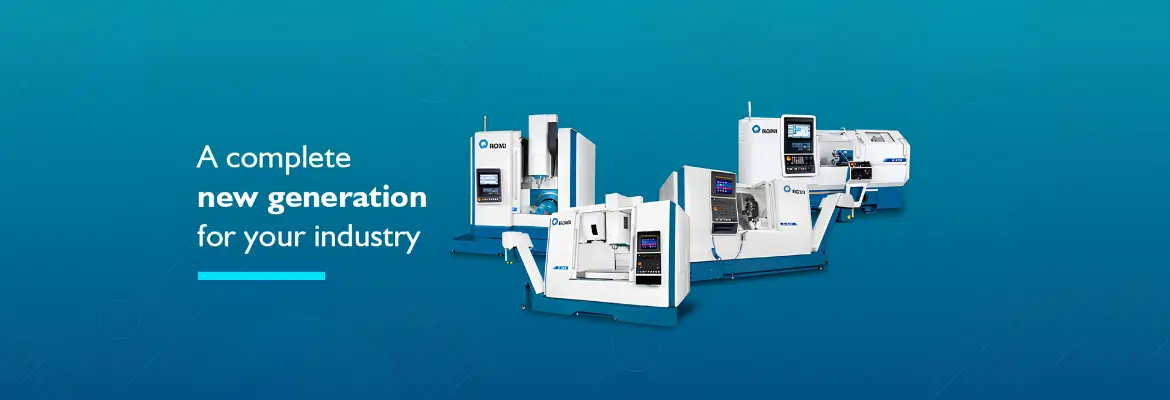
ROMI Machine Tools
Advanced manufacturing technology engineered for industrial productivity.
Brazilian Machine Tools & Advanced Manufacturing | Erlanger, Kentucky
ROMI Machine Tools is the United States operation of ROMI S.A., a Brazilian industrial technology company headquartered in Santa Bárbara d’Oeste, São Paulo. From its base in Erlanger, Kentucky, ROMI serves the American manufacturing market with CNC machine tools, machining technologies, engineering support, technical assistance and industrial solutions backed by a Brazilian company with an international presence spanning the Americas and Europe.
Founded in Brazil in 1930 and exporting since 1944, ROMI developed from a Brazilian machinery company into an international manufacturer operating across machine tools, plastic-processing machinery, castings and machined components. Its current industrial structure comprises 13 manufacturing units — 11 in Brazil and two in Germany — occupying more than 170,000 m² of built area.
ROMI also maintains commercial and service subsidiaries in the United States, Germany, Italy, United Kingdom, Spain, France and Mexico, supported by distributors across all continents.
Its trajectory represents a particularly mature model of Brazilian industrial internationalization:
Brazilian engineering → early exports → global distribution → international subsidiaries → European manufacturing → advanced global production technology.
━━━━━━━━━━━━━━━━━━━━━━━━
🇺🇸 ROMI MACHINE TOOLS IN KENTUCKY
━━━━━━━━━━━━━━━━━━━━━━━━
ROMI’s official U.S. operation is located at:
ROMI Machine Tools, Ltd.
1845 Airport Exchange Blvd., Suite 180
Erlanger, KY 41018
United States
Phone: +1 859-647-7566
Email: sales@romiusa.com
ROMI’s official corporate directory confirms the Erlanger operation as its American machine-tool subsidiary.
Its Kentucky presence provides a direct interface between ROMI’s international manufacturing capabilities and customers operating within the U.S. industrial market.
This local structure is strategically important because industrial machinery requires substantially more than product distribution.
Customers depend on relationships involving:
machine specification → application engineering → installation → technical support → maintenance → spare parts → modernization → long-term productivity.
ROMI’s international model therefore combines Brazilian manufacturing capabilities with localized commercial and technical infrastructure.
━━━━━━━━━━━━━━━━━━━━━━━━
🇧🇷 INDUSTRIAL TECHNOLOGY FROM BRAZIL
━━━━━━━━━━━━━━━━━━━━━━━━
ROMI’s industrial base is located in Santa Bárbara d’Oeste, São Paulo, where the company maintains its Brazilian headquarters and major manufacturing operations.
The company’s activities encompass three broad technological areas:
- Machine Tools
- Plastic Processing Machines
- Castings & Machined Parts
This combination gives ROMI a distinctive industrial architecture.
Rather than specializing only in the final assembly of machinery, the organization operates across multiple layers of manufacturing capability, including machine assembly, casting, component machining, sheet-metal fabrication and electronic-panel assembly.
Across its international industrial network, ROMI reports capacity for approximately 2,900 industrial machines per year and approximately 50,000 tons of cast parts annually.
The result is a vertically sophisticated Brazilian industrial organization whose technological capabilities extend from metallurgy and mechanical components to advanced manufacturing systems.
━━━━━━━━━━━━━━━━━━━━━━━━
⚙️ CNC MACHINE TOOLS & MACHINING TECHNOLOGY
━━━━━━━━━━━━━━━━━━━━━━━━
Machine tools form one of ROMI’s central technological businesses.
Its portfolio includes equipment designed for turning, milling, drilling and complex machining operations, including:
- Machining Centers
- Turning Centers
- CNC Lathes
- Universal Lathes
- Vertical Turning Centers
- Vertical CNC Lathes
- Heavy & Extra-Heavy CNC Lathes
- CNC Boring Machines
- Drilling & Tapping Centers
- Automated Manufacturing Solutions
- Hybrid Manufacturing Systems
These machines occupy a fundamental position within industrial production.
Machine tools manufacture or transform the components that subsequently become part of vehicles, machinery, industrial systems, energy infrastructure and countless other engineered products.
ROMI therefore operates not simply as an equipment manufacturer, but within the productive infrastructure that enables other manufacturers to manufacture.
━━━━━━━━━━━━━━━━━━━━━━━━
🧠 ADVANCED MANUFACTURING & ROMI AI
━━━━━━━━━━━━━━━━━━━━━━━━
ROMI’s technological development increasingly connects physical machinery with software, connectivity, automation and artificial intelligence.
In its 2026 industrial portfolio, the company is presenting ROMI AI, described as artificial intelligence applied to ROMI machines, alongside a platform consolidating real-time information from connected equipment.
This represents an important evolution in machine-tool architecture.
Industrial equipment is progressively moving from isolated production assets toward connected manufacturing environments capable of generating operational information and supporting faster decisions.
The structural transition resembles:
machine tool → CNC system → automated cell → connected machine → manufacturing data platform → AI-assisted industrial operation.
For the dMix industrial cluster, this makes ROMI particularly relevant: it connects traditional Brazilian capital-goods manufacturing with the emerging architecture of intelligent production.
━━━━━━━━━━━━━━━━━━━━━━━━
🦾 AUTOMATION & INDUSTRY 4.0
━━━━━━━━━━━━━━━━━━━━━━━━
ROMI has invested in technologies aligned with Industry 4.0, connectivity and manufacturing automation.
Its machine-tool portfolio includes automation solutions capable of integrating machines with robotic systems and production cells, while connectivity allows equipment information to become part of broader manufacturing management environments.
This changes the economic role of the machine itself.
Instead of evaluating industrial equipment solely through machining capacity, manufacturers increasingly consider:
productivity
availability
automation
energy efficiency
data visibility
process integration
flexible manufacturing
ROMI’s development reflects this transition from standalone machinery toward integrated manufacturing systems.
━━━━━━━━━━━━━━━━━━━━━━━━
🧩 HYBRID MANUFACTURING & ADDITIVE TECHNOLOGY
━━━━━━━━━━━━━━━━━━━━━━━━
ROMI’s portfolio also extends into hybrid manufacturing, combining conventional machining processes with additive manufacturing capabilities.
This is strategically significant because additive and subtractive manufacturing solve different industrial problems.
Traditional machining removes material with high precision.
Additive manufacturing builds material selectively.
Hybrid systems can combine both processes within a more integrated production architecture.
ROMI’s inclusion of hybrid manufacturing within its machine-tool portfolio demonstrates how the company is extending beyond conventional CNC machinery into technologies associated with the next generation of industrial production.
━━━━━━━━━━━━━━━━━━━━━━━━
🏭 MACHINERY FOR THE PLASTICS INDUSTRY
━━━━━━━━━━━━━━━━━━━━━━━━
ROMI’s industrial technology extends beyond metalworking.
The company also manufactures plastic injection molding and blow molding machines, creating another major capital-equipment business.
Its current portfolio includes:
Injection Molding Machines
- servo-pump systems;
- electric machines;
- specialized configurations for different production requirements.
Blow Molding Machines
- electric systems;
- continuous extrusion;
- accumulation systems;
- single and double molding-station configurations.
ROMI’s injection technology serves applications ranging from food and medical-pharmaceutical packaging to technical automotive components, including multi-material and multi-color manufacturing configurations.
This gives the Brazilian company exposure to manufacturing ecosystems substantially broader than machine-tool production alone.
━━━━━━━━━━━━━━━━━━━━━━━━
🔩 CASTINGS & MACHINED COMPONENTS
━━━━━━━━━━━━━━━━━━━━━━━━
Another major component of ROMI’s industrial structure is the production of gray and nodular iron castings, supplied either rough or machined.
These capabilities serve industries including:
Automotive
Agriculture
Construction
Energy
Industrial Equipment
ROMI’s casting and machining operations connect metallurgy directly with precision industrial production.
This vertical integration strengthens the company’s engineering capabilities because knowledge of materials, casting, machining and machine development exists within the same industrial organization.
For international customers, ROMI therefore represents considerably more than a machine-tool brand.
It is part of a broader Brazilian capital-goods and manufacturing technology platform.
━━━━━━━━━━━━━━━━━━━━━━━━
🇩🇪 BRAZILIAN INDUSTRIAL GROUP WITH MANUFACTURING IN GERMANY
━━━━━━━━━━━━━━━━━━━━━━━━
One of the strongest dimensions of ROMI’s internationalization is its manufacturing presence in Germany.
The company owns two German manufacturing facilities through Burkhardt+Weber, an established German machine-tool manufacturer that has been part of the ROMI group since 2012.
Burkhardt+Weber specializes in sophisticated manufacturing solutions characterized by high levels of technological complexity and customization.
The German operation remains strategically significant today. At the end of the second quarter of 2026, ROMI reported a B+W Machines order backlog of R$486.9 million, 6.8% above the comparable period of 2025.
This gives ROMI an international structure that combines:
Brazilian engineering and manufacturing
+
German advanced machine-tool capabilities
+
commercial and service subsidiaries across major industrial markets.
━━━━━━━━━━━━━━━━━━━━━━━━
🔬 RESEARCH, DEVELOPMENT & INDUSTRIAL INNOVATION
━━━━━━━━━━━━━━━━━━━━━━━━
Technology development is a structural component of ROMI’s business model.
The company reports investing approximately 4% of consolidated annual net revenue in research and development, while maintaining partnerships with universities, technology institutes and global industrial companies.
ROMI also holds a significant portfolio of invention patents associated with its technologies.
This matters because industrial competitiveness increasingly depends on more than production scale.
Machine manufacturers must continually develop capabilities involving:
precision → control systems → automation → software → energy efficiency → connectivity → advanced processes → AI.
ROMI’s R&D structure positions innovation as an industrial capability rather than an isolated product-development function.
━━━━━━━━━━━━━━━━━━━━━━━━
🌎 AN INTERNATIONAL INDUSTRIAL NETWORK
━━━━━━━━━━━━━━━━━━━━━━━━
ROMI has exported machinery since 1944, giving the company more than eight decades of international commercial experience.
Today, its distribution network reaches all continents, while dedicated commercial and service subsidiaries operate in:
🇺🇸 United States
🇩🇪 Germany
🇮🇹 Italy
🇬🇧 United Kingdom
🇪🇸 Spain
🇫🇷 France
🇲🇽 Mexico
The international structure has material economic relevance.
In the first nine months of 2025, foreign markets represented approximately 34% of ROMI’s consolidated revenue, with sales generated through international subsidiaries and direct exports.
This demonstrates an international presence embedded in the company’s operating model rather than occasional export activity.
━━━━━━━━━━━━━━━━━━━━━━━━
🌎 GLOBAL LOCATIONS
━━━━━━━━━━━━━━━━━━━━━━━━
🇧🇷 Brazil — Global Headquarters & Manufacturing
Rodovia Luiz de Queiroz (SP-304), km 141.5
Distrito Industrial Sul
Santa Bárbara d’Oeste, SP 13459-057
Brazil
Corporate headquarters and principal Brazilian industrial base of ROMI.
🇺🇸 United States — ROMI Machine Tools
1845 Airport Exchange Blvd., Suite 180
Erlanger, KY 41018
United States
U.S. commercial and service operation represented by this dMix listing.
🇩🇪 Germany — Manufacturing / Burkhardt+Weber
Germany
Two manufacturing units form part of ROMI’s international industrial network through Burkhardt+Weber.
Aqui eu manteria somente essas três. Elas contam toda a história sem diluir a entidade:
Brazil → United States → Germany.
━━━━━━━━━━━━━━━━━━━━━━━━
⭐ WHY ROMI?
━━━━━━━━━━━━━━━━━━━━━━━━
- Brazilian industrial technology company headquartered in Santa Bárbara d’Oeste, São Paulo.
- Exporting internationally since 1944.
- Dedicated U.S. subsidiary in Erlanger, Kentucky.
- 13 manufacturing units: 11 in Brazil and two in Germany.
- More than 170,000 m² of industrial facilities.
- Manufacturing capacity of approximately 2,900 industrial machines annually.
- Machine tools for turning, milling and advanced machining.
- CNC, automation and hybrid manufacturing technologies.
- ROMI AI and connected manufacturing capabilities.
- Plastic injection and blow molding machinery.
- Gray and nodular iron casting and machining capabilities.
- Commercial and service subsidiaries across the United States, Europe and Mexico.
- Distribution network spanning all continents.
- Approximately 4% of consolidated annual net revenue invested in R&D.
- German advanced manufacturing capabilities through Burkhardt+Weber.
- A strong example of Brazilian capital-goods engineering operating within global advanced manufacturing.
Rate us and Write a Review
- SaturdayDay Off
- Monday09:00 AM - 05:00 PM
- Tuesday09:00 AM - 05:00 PM
- Wednesday09:00 AM - 05:00 PM
- Thursday09:00 AM - 05:00 PM
- Friday09:00 AM - 05:00 PM
October, 2026
Saturday
August 26,2019
- Tuesday
- 9:00am - 10:00am
Awesome Job!
We have received your appointment and will send you a confirmation to your provided email upon approval.
 Own or work here?

———
The trusted bridge between Brazilian businesses and the world.
———
How can we help you today?