




Jacto Farm Equipment
From Brazil to the World — 75 years of agricultural innovation
Brazilian Agricultural Machinery & Technology | Sindelfingen, Germany
Jacto is a Brazilian agricultural machinery and technology company with a global industrial presence that now extends into Germany through SOLO Kleinmotoren GmbH, acquired by Grupo Jacto in 2025. Founded in Pompeia, São Paulo, in 1948 by Shunji Nishimura, Jacto has evolved from a Brazilian agricultural machinery manufacturer into an international technology organization combining machinery, precision agriculture, digital systems, connectivity, autonomous equipment and a manufacturing network spanning multiple continents.
Jacto products are currently commercialized in more than 100 countries. Its established manufacturing structure includes Brazil, Argentina and Thailand, while the acquisition of German agricultural solutions company SOLO added industrial operations in Germany and the United States, an assembly operation in China and additional international distribution infrastructure.
The result represents a significant stage in the internationalization of Brazilian agricultural engineering:
Brazilian origin → global agricultural machinery → precision and digital agriculture → autonomous technology → international manufacturing → strategic acquisition in Europe.
━━━━━━━━━━━━━━━━━━━━━━━━
🇧🇷 FROM POMPEIA TO GLOBAL AGRICULTURE
━━━━━━━━━━━━━━━━━━━━━━━━
Jacto’s history began in 1948 in Pompeia, São Paulo, through its founder, Japanese immigrant Shunji Nishimura.
Its origins were modest. Nishimura developed Jacto’s first Brazilian-made agricultural duster in 1948, creating what would become Máquinas Agrícolas Jacto. The company name itself was inspired by the trail of jet aircraft — an early association with technological progress and modernization.
The first international movement came relatively early.
In 1963, Jacto made its first export, sending backpack dusters to Argentina. Sales subsequently expanded to Costa Rica, Mexico and Venezuela, beginning the transformation of a company from the interior of São Paulo into an international agricultural organization.
Today, Jacto maintains its headquarters in Pompeia while its products and technologies reach agricultural markets across more than 100 countries.
━━━━━━━━━━━━━━━━━━━━━━━━
🚜 AGRICULTURAL MACHINERY & TECHNOLOGY
━━━━━━━━━━━━━━━━━━━━━━━━
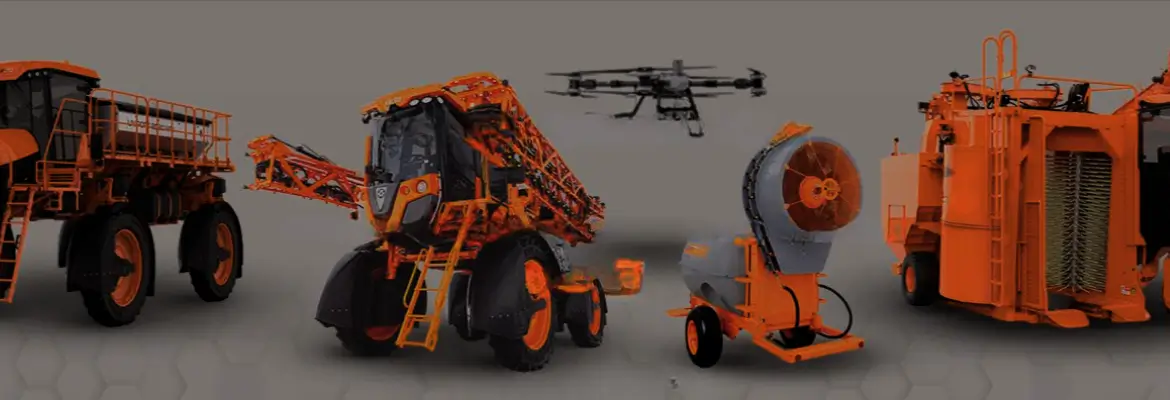
Jacto has developed a broad technological portfolio covering multiple stages of agricultural production.
Its solutions include:
- Agricultural Sprayers
- Fertilization Equipment
- Planting Equipment
- Coffee Harvesting
- Sugarcane Harvesting
- Portable Sprayers
- Pruning Equipment
- Spray Nozzles
- Precision Agriculture
- Digital Agriculture
- Parts & Accessories
- Agricultural Services & Technology
This range extends from portable agricultural equipment to large machines and intelligent digital systems.
That breadth is important for understanding contemporary Jacto.
The company can no longer be described simply as an agricultural machinery manufacturer. Its development increasingly reflects the convergence of mechanical engineering, electronics, connectivity, data, automation and agricultural intelligence.
━━━━━━━━━━━━━━━━━━━━━━━━
🎯 SPRAYING & APPLICATION TECHNOLOGY
━━━━━━━━━━━━━━━━━━━━━━━━
Spraying technology occupies a central position in Jacto’s industrial history.
The company introduced its first backpack sprayer in 1958, followed by increasingly sophisticated tractor-mounted and self-propelled equipment.
Over subsequent decades, application technology progressively incorporated electronic control, automation and precision systems.
This evolution matters because agricultural spraying is no longer simply a mechanical operation. Precision of application affects productivity, input efficiency, environmental management and operating costs.
Jacto’s technological trajectory consequently reflects a broader transformation occurring across global agriculture:
mechanical application → electronic control → precision application → connected equipment → autonomous spraying.
━━━━━━━━━━━━━━━━━━━━━━━━
🛰️ PRECISION & DIGITAL AGRICULTURE
━━━━━━━━━━━━━━━━━━━━━━━━
Jacto has progressively moved beyond machinery into the infrastructure of data-driven agriculture.
Its portfolio includes solutions and services for precision and digital agriculture designed to support more efficient agricultural production.
Machine connectivity, sensors and digital systems allow agricultural operations to generate and exchange information about field activities, equipment performance and application processes.
This transition changes the strategic role of an agricultural machinery company.
A machine no longer functions exclusively as a mechanical asset.
It increasingly becomes:
machine → sensor platform → data generator → connected operational system → decision-support infrastructure.
For Jacto, that transformation has created a technological domain extending well beyond traditional agricultural equipment.
━━━━━━━━━━━━━━━━━━━━━━━━
🤖 AUTONOMOUS AGRICULTURE & ARTIFICIAL INTELLIGENCE
━━━━━━━━━━━━━━━━━━━━━━━━
Jacto began developing autonomous agricultural machinery long before autonomy became a central discussion within agricultural technology.
The company’s JAV autonomous vehicle project began in 2008, originating from a specific requirement identified among farmers in Mexico.
In 2026, that long development trajectory reached another milestone with the commercial launch of the Arbus 4000 JAV autonomous sprayer.
Jacto currently presents autonomous spraying alongside artificial intelligence, sensors, connectivity and digital systems as components of the continuing transformation of field operations.
The strategic direction is significant:
agricultural machinery → precision equipment → connected machinery → autonomous systems → intelligent agriculture.
For a Brazilian industrial company founded in 1948, this progression illustrates a substantial technological transformation rather than simple geographic expansion.
━━━━━━━━━━━━━━━━━━━━━━━━
🏭 INDUSTRY 4.0 IN BRAZIL
━━━━━━━━━━━━━━━━━━━━━━━━
Jacto’s international expansion remains supported by significant industrial and technological infrastructure in Brazil.
Its newer industrial operation in the Pompeia region incorporates Industry 4.0 manufacturing technologies, including automated painting systems, autonomous guided vehicles and an integrated Manufacturing Execution System.
The factory also uses a private 5G network to support integrated production processes.
Sustainability considerations were incorporated into the industrial architecture, including approximately 12,000 solar panels and systems allowing up to 90% of water used in manufacturing processes to be reused.
This infrastructure illustrates the industrial foundation behind Jacto’s global technology strategy.
Internationalization does not replace the company’s Brazilian manufacturing base.
It extends it.
━━━━━━━━━━━━━━━━━━━━━━━━
🇩🇪 EXPANSION INTO GERMANY THROUGH SOLO
━━━━━━━━━━━━━━━━━━━━━━━━
A major new stage in Grupo Jacto’s international development occurred in June 2025, when the Brazilian group acquired SOLO Kleinmotoren GmbH, a German agricultural solutions company.
SOLO specializes in manual, motorized and battery-powered sprayers, along with blowers and cutting equipment.
At the time of the acquisition, the German company served customers in more than 70 countries and possessed an international industrial and distribution structure of its own.
SOLO continues to operate under its established brand and portfolio.
For Grupo Jacto, therefore, the transaction was not simply the acquisition of products.
It incorporated:
German engineering → European manufacturing → U.S. manufacturing → international distribution → established brand → complementary agricultural technology.
This makes the acquisition an important structural step in Jacto’s internationalization.
━━━━━━━━━━━━━━━━━━━━━━━━
🇩🇪 GERMAN INDUSTRIAL PRESENCE
━━━━━━━━━━━━━━━━━━━━━━━━
Through SOLO Kleinmotoren GmbH, Grupo Jacto now has an established corporate and industrial presence in Germany.
The German operation is located at:
SOLO Kleinmotoren GmbH
Industriestr. 9
71069 Sindelfingen
Germany
This is the physical international location represented by this dMix listing.
The distinction is important:
the Sindelfingen facility is legally operated by SOLO Kleinmotoren GmbH, which became part of the Brazilian Grupo Jacto in 2025.
We therefore preserve both sides of the corporate structure:
Jacto = Brazilian parent group and strategic entity
SOLO = German operating company and physical location
This represents a different model of Brazilian internationalization from simply opening a foreign sales office.
Grupo Jacto acquired an established industrial organization and incorporated its capabilities into a broader international group.
━━━━━━━━━━━━━━━━━━━━━━━━
🌎 EXPANDED GLOBAL MANUFACTURING NETWORK
━━━━━━━━━━━━━━━━━━━━━━━━
Before the SOLO acquisition, Jacto’s manufacturing structure already extended beyond Brazil.
The company identifies factories in:
🇧🇷 Brazil
🇦🇷 Argentina
🇹🇭 Thailand
and commercial/distribution operations in the United States and Mexico.
The acquisition of SOLO materially expanded that footprint.
SOLO brought:
🇩🇪 Manufacturing — Germany
🇺🇸 Manufacturing — United States
🇨🇳 Assembly — China
🇨🇱 Distribution — Chile
🇳🇿 Distribution — New Zealand
The combined structure gives Grupo Jacto access to a substantially broader international industrial platform.
This is not simply global sales.
It is an increasingly distributed architecture of manufacturing, assembly, technology and distribution across multiple continents.
━━━━━━━━━━━━━━━━━━━━━━━━
🔬 TWO TECHNOLOGY HISTORIES — BOTH FOUNDED IN 1948
━━━━━━━━━━━━━━━━━━━━━━━━
There is an unusual historical parallel between Jacto and SOLO.
Both companies trace their origins to 1948.
Jacto emerged in Pompeia, Brazil, from Shunji Nishimura’s mechanical knowledge and development of agricultural equipment.
SOLO developed in Germany and accumulated decades of expertise in portable spraying and agricultural application technologies.
Seventy-seven years later, those two independent industrial histories became part of the same corporate group.
Grupo Jacto specifically identified opportunities for synergies involving new developments, manufacturing and distribution, supported by technologies shared between the two organizations.
The strategic value of the acquisition therefore extends beyond geographic presence.
It creates an international technology relationship between two established agricultural engineering traditions.
━━━━━━━━━━━━━━━━━━━━━━━━
🌐 MORE THAN 100 COUNTRIES
━━━━━━━━━━━━━━━━━━━━━━━━
Jacto currently commercializes products in more than 100 countries.
This global reach is the result of a process that began with its first export to Argentina in 1963 and progressively developed through international sales, manufacturing, distribution infrastructure and acquisitions.
The company’s current international architecture connects:
Brazilian headquarters and R&D
→ manufacturing across multiple countries
→ international distribution
→ precision and digital agriculture
→ autonomous agricultural technology
→ strategic international acquisitions
This makes Jacto particularly relevant within the international Brazilian business landscape.
It represents not only the export of Brazilian machinery, but the development of a Brazilian-controlled agricultural technology ecosystem with global industrial reach.
━━━━━━━━━━━━━━━━━━━━━━━━
🌎 GLOBAL LOCATIONS
━━━━━━━━━━━━━━━━━━━━━━━━
🇧🇷 Brazil — Global Origin, Headquarters & Manufacturing
Rua Dr. Luiz Miranda, 1650
Pompeia, SP 17580-039
Brazil
Jacto was founded in Pompeia in 1948, and the city remains central to its corporate, technological and industrial operations.
🇩🇪 Germany — Grupo Jacto / SOLO Industrial Operation
Industriestr. 9
71069 Sindelfingen
Germany
Physical German operation incorporated into Grupo Jacto through the acquisition of SOLO Kleinmotoren GmbH in 2025.
🇺🇸 United States — North American Market
Jacto Incorporated
Tualatin, Oregon
Jacto maintains a commercial and distribution presence serving the North American market. Its official public contact address is currently a PO Box rather than a confirmed physical operating address.
🇦🇷 Argentina — Manufacturing
Argentina
Jacto maintains an international manufacturing operation supporting agricultural markets outside Brazil.
━━━━━━━━━━━━━━━━━━━━━━━━
⭐ WHY JACTO?
━━━━━━━━━━━━━━━━━━━━━━━━
- Brazilian agricultural machinery and technology company founded in 1948.
- Founded by Shunji Nishimura in Pompeia, São Paulo.
- Products commercialized in more than 100 countries.
- Manufacturing operations established in Brazil, Argentina and Thailand.
- Expanded industrial presence in Germany and the United States through the 2025 acquisition of SOLO.
- Solutions spanning spraying, fertilization, planting and specialized harvesting.
- Precision and digital agriculture technologies.
- Autonomous agricultural vehicle development initiated in 2008.
- Commercial launch of the Arbus 4000 JAV autonomous sprayer in 2026.
- Artificial intelligence, sensors, connectivity and data integrated into its agricultural technology strategy.
- Advanced Industry 4.0 manufacturing infrastructure in Brazil.
- International expansion extending from exports to factories, distribution networks and strategic acquisitions.
- Acquisition of German agricultural technology company SOLO Kleinmotoren in 2025.
- A strong example of Brazilian engineering evolving into a globally distributed agricultural technology organization.
Rate us and Write a Review
October, 2026
Saturday
August 26,2019
- Tuesday
- 9:00am - 10:00am
Awesome Job!
We have received your appointment and will send you a confirmation to your provided email upon approval.
 Own or work here?

———
The trusted bridge between Brazilian businesses and the world.
———
How can we help you today?