





Azul Brazilian Airlines
Airline serving the largest number of cities in Brazil
Brazilian Airline | Barueri, Brazil
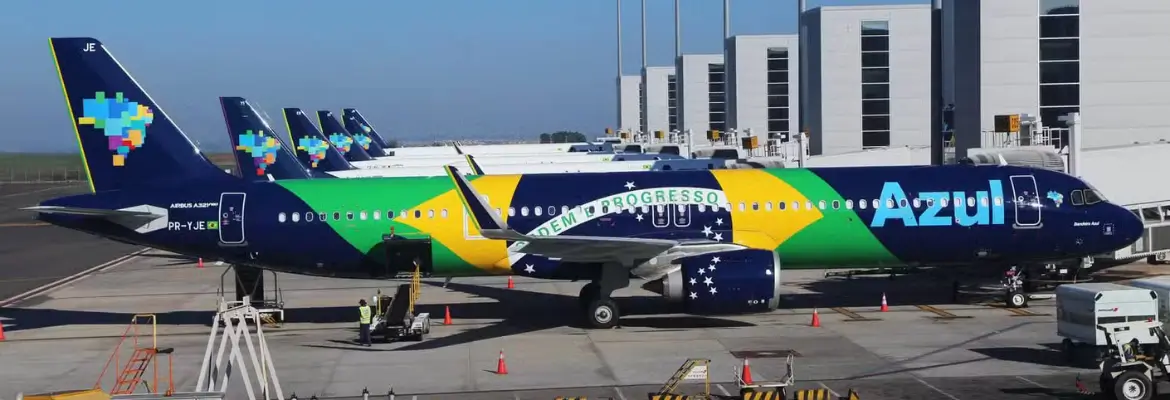
Azul Brazilian Airlines is a Brazilian airline headquartered in Barueri, São Paulo, connecting one of the world’s largest domestic aviation markets through an extensive network that reaches more Brazilian cities than any other airline in the country. Founded in 2008, Azul has developed from a new entrant in Brazilian aviation into one of the country’s leading carriers, combining a dense domestic network with international connectivity to markets including the United States and Europe.
Founded by aviation entrepreneur David Neeleman on January 3, 2008, Azul began commercial operations on December 15 of the same year. In less than seven years, the airline established a significant position in the Brazilian market, and in 2017 it completed its initial public offering, with shares beginning to trade on B3’s Level 2 Corporate Governance segment.
Azul’s strategic importance is closely connected to the structure of its network. The company currently reports approximately 800 daily flights, more than 130 destinations, around 170 operating aircraft, 250 nonstop routes and more than 15,000 CrewMembers. In 2025, it transported 32 million passengers — the highest annual passenger volume in the company’s history.
━━━━━━━━━━━━━━━━━━━━━━━━
🇧🇷 BRAZIL’S EXTENSIVE AIR NETWORK
━━━━━━━━━━━━━━━━━━━━━━━━
Azul differentiates itself through the geographic depth of its Brazilian network.
The company states that it serves more cities in Brazil than any other airline, and on approximately 80% of its routes Azul is the only airline operating the service. This gives the carrier a particularly important role in connecting regional markets that are not served by multiple competing airlines.
Its network is structured around three major hubs serving the metropolitan markets of São Paulo, Belo Horizonte and Recife. The company’s principal hub is Viracopos International Airport in Campinas, approximately 100 kilometers from the city of São Paulo.
━━━━━━━━━━━━━━━━━━━━━━━━
🌎 INTERNATIONAL CONNECTIVITY
━━━━━━━━━━━━━━━━━━━━━━━━
While Brazil remains at the center of Azul’s network, international aviation has become an important component of the company’s positioning.
Its current digital network highlights international travel involving markets such as the United States, Portugal, France, Argentina, Uruguay, Paraguay, Curaçao and other destinations, with additional global connectivity available through airline partnerships.
The United States is particularly relevant to Azul’s international presence. The airline maintains a dedicated U.S. digital operation and markets connections involving destinations such as Orlando and Fort Lauderdale, strengthening air connectivity between Brazil and Florida.
━━━━━━━━━━━━━━━━━━━━━━━━
✈️ AVIATION & TRAVEL ECOSYSTEM
━━━━━━━━━━━━━━━━━━━━━━━━
Azul has developed an ecosystem extending beyond passenger transportation itself.
Its operations and services include:
- Passenger Air Transportation — domestic and international air travel.
- Azul Fidelidade — loyalty ecosystem connecting travel, benefits and points.
- Azul Viagens — tourism operation providing travel packages, accommodation and tourism products.
- Azul Cargo Express — logistics and cargo services.
- Azul Conecta — regional aviation connectivity.
- Azul Empresas — services structured for corporate customers.
- Charter & Group Travel — dedicated solutions for groups and specialized travel requirements.
- International Airline Partnerships — extending connectivity beyond Azul’s own network.
The combination allows Azul to participate across passenger travel, tourism, loyalty, logistics and regional aviation rather than operating solely as a traditional point-to-point airline.
━━━━━━━━━━━━━━━━━━━━━━━━
🏢 SCALE & OPERATIONS
━━━━━━━━━━━━━━━━━━━━━━━━
Azul currently reports:
- Approximately 800 daily flights.
- More than 130 destinations.
- Approximately 170 aircraft in its operating fleet.
- Around 250 nonstop routes.
- More than 15,000 CrewMembers.
- 32 million passengers transported in 2025.
- Three principal hub markets: São Paulo, Belo Horizonte and Recife.
- Viracopos International Airport as its primary hub.
This combination of network density and regional reach gives Azul a distinctive position within Brazilian aviation: its competitive relevance is not based exclusively on Brazil’s largest metropolitan routes, but also on connecting cities where air-service alternatives can be limited.
━━━━━━━━━━━━━━━━━━━━━━━━
⭐ WHY AZUL?
━━━━━━━━━━━━━━━━━━━━━━━━
- Brazilian airline founded in 2008.
- Headquartered in the state of São Paulo.
- Airline serving the largest number of cities in Brazil.
- Approximately 800 daily flights.
- Network exceeding 130 destinations.
- Around 170 aircraft in operation.
- More than 15,000 CrewMembers.
- Record 32 million passengers transported in 2025.
- Extensive regional connectivity throughout Brazil.
- International connectivity including the United States and Europe.
- Major operating hub at Viracopos International Airport.
- Diversified aviation ecosystem spanning passenger travel, tourism, loyalty, regional aviation and cargo.
Rate us and Write a Review
- Open Now09:00 AM - 05:00 PM
- Monday09:00 AM - 05:00 PM
- Tuesday09:00 AM - 05:00 PM
- Wednesday09:00 AM - 05:00 PM
- Thursday09:00 AM - 05:00 PM
- Friday09:00 AM - 05:00 PM
September, 2026
Friday
5:30 pm - 6:15 pm
6:15 pm - 7:00 pm
7:00 pm - 7:45 pm
7:45 pm - 8:30 pm
8:30 pm - 9:15 pm
August 26,2019
- Tuesday
- 9:00am - 10:00am
Awesome Job!
We have received your appointment and will send you a confirmation to your provided email upon approval.
 Own or work here?

———
The trusted bridge between Brazilian businesses and the world.
———
How can we help you today?